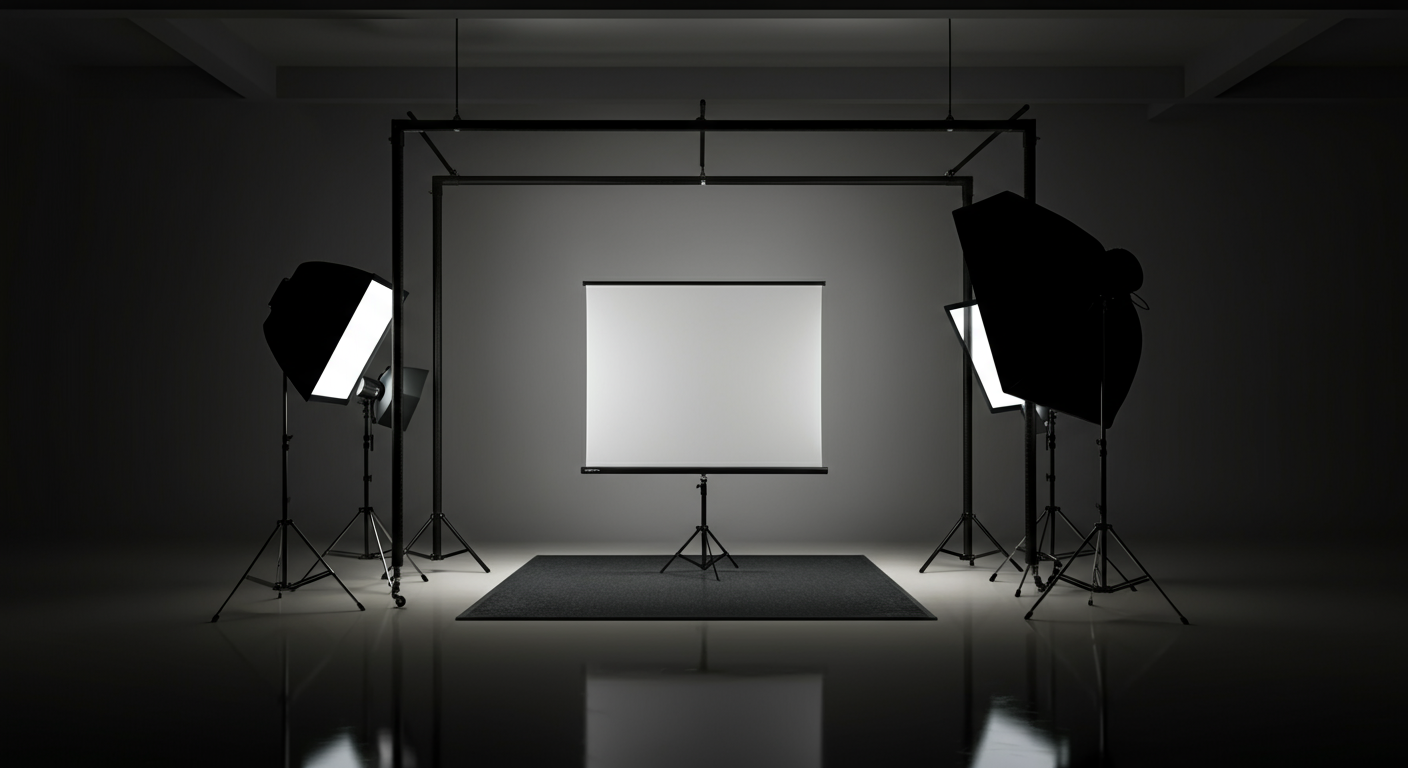
Portable Projector Screens: The Insider’s Edge
Portable projector screens are your ticket to instant, big-screen entertainment anywhere. They offer a hassle-free way to elevate movie nights, presentations, or even gaming without the need for permanent installations.
EXPERT MARKET TAKEAWAY
The portable projector screen market is booming, driven by a desire for flexible home entertainment solutions and an increase in mobile professionals. Buyers are increasingly seeking screens that are not only easy to set up and take down but also deliver a consistently bright and sharp image, minimizing ambient light interference. The primary pain point remains finding a balance between portability, screen quality, and affordability. Consumers are looking for durability that withstands frequent transport, without compromising on the visual experience.
Hey there, fellow enthusiasts! Eduardo Hernandez here. If you’ve ever tried to project onto a plain wall and ended up with a washed-out, distorted mess, you know the struggle is real. We’ve all been there, right? The good news is, a quality portable projector screen can completely transform your viewing experience. It’s about getting that crisp, vibrant image you expect, wherever you want it. My goal is to cut through the noise and help you find the perfect screen for your needs. As a little thank you for stopping by, here’s a pro-tip: always consider the gain of the screen material – a higher gain can boost brightness, but might narrow viewing angles, so it’s a trade-off!
The Top Picks: Your Portable Projector Screen Battleground
| Product Name | Score /10 | Best For | Check Price |
|---|---|---|---|
| Elite Screens Manual B Series M100XWH2 | 8.5 | Home Theaters & Casual Use | Amazon |
| Miroir M100 100-inch Projector Screen | 8.0 | Portability & Presentations | Amazon |
| Vamvo 100 Inch Portable Projector Screen | 8.2 | Outdoor Movies & Easy Setup | Amazon |
My Methodology: How I Scored These Screens
As an expert in visual presentation, my selection process for these portable projector screens is rigorous. I don’t just look at specs on paper; I evaluate real-world performance and user feedback. Here’s the breakdown:
- Build Quality & Durability: How well is it constructed? Will it withstand being rolled up and transported frequently?
- Ease of Setup & Takedown: This is crucial for portability. A screen that takes too long or is complicated to assemble is a non-starter.
- Image Quality: This is paramount. I consider how well the screen reproduces color, contrast, and detail, as well as its resistance to wrinkles and creases.
- Portability Factor: Size, weight, and how compact it becomes when stored are key considerations.
- Value for Money: Does the performance justify the price point?
I look at a combination of expert reviews, user testimonials, and my own understanding of projection technology. While specific technical details can vary, these core criteria ensure that what you’re getting is a screen that truly delivers.
Detailed Product Reviews
Elite Screens Manual B Series M100XWH2
Note: Features and specifications may vary. Check Amazon for exact details.
This is a solid, no-nonsense manual pull-down screen. Elite Screens has a reputation for quality, and this model lives up to it. The retraction mechanism is smooth, and once you get the hang of it, deployment is quick. It’s built to last, which is a huge plus for anyone who plans on moving it around. The viewing surface is designed to provide good contrast and color reproduction, making it a great all-rounder for movie nights or even casual presentations. While not the lightest, its sturdiness makes it a reliable choice. This is a screen that many homeowners are turning to for its dependable performance.
Miroir M100 100-inch Projector Screen
Note: Features and specifications may vary. Check Amazon for exact details.
Miroir is known for its focus on portability, and the M100 is no exception. This screen is incredibly lightweight and designed for quick setup, often with a tripod-like stand integrated into its design. It’s ideal for professionals on the go who need to deliver presentations in various locations, or for someone who wants to take their movie experience to a friend’s house. The fabric is treated to offer a decent viewing surface, though you might notice a slight difference in brightness compared to higher-end, fixed-gain screens. Its compact nature and ease of use make it a highly sought-after option for those prioritizing convenience.
Vamvo 100 Inch Portable Projector Screen
Note: Features and specifications may vary. Check Amazon for exact details.
Vamvo offers a compelling package, especially for those looking to enhance their outdoor movie nights or easily set up a temporary home theater. This screen often comes with a frame that ensures it’s taut and wrinkle-free, which is a significant advantage for image quality. The setup is generally straightforward, making it accessible even for those who aren’t technically inclined. It’s popular because it strikes a good balance between providing a good viewing area and being manageable to transport and store. Many users appreciate its ability to create an impressive viewing experience without a complex setup.
Frequently Asked Questions
What is the main advantage of a portable projector screen?
The primary advantage is flexibility. You can easily set up a large viewing area for movies, presentations, or gaming in almost any location without the need for permanent installation or wall mounting.
How do I choose the right size portable projector screen?
Consider the size of your viewing space and the distance from which your audience will be watching. For most living rooms and casual use, a 100-inch to 120-inch screen is a popular choice. For larger spaces or dedicated home theaters, you might consider larger sizes if your projector can handle it.
Are portable projector screens prone to wrinkles?
Wrinkles can be a challenge with some portable screens, especially those that are simply rolled up. Screens that come with a supporting frame or those made from specific, more rigid materials tend to be more resistant to creasing. Proper handling and storage can also minimize this issue.
What is “screen gain,” and why does it matter?
Screen gain refers to how much light the screen reflects back towards the audience compared to a perfectly matte surface (which has a gain of 1.0). A higher gain screen can make your projector appear brighter, which is beneficial in rooms with some ambient light. However, very high gain screens can sometimes narrow the viewing angle and create “hot spots” where the center of the image is brighter than the edges.
Can I use a portable projector screen outdoors?
Yes, many portable projector screens are designed for outdoor use, particularly those with a stable stand or frame. However, be mindful of ambient light (like moonlight or streetlights) and wind, which can affect image quality and screen stability.
Disclaimer: PrimeBuyerLab.com is reader-supported. When you buy through links on our site, we may earn an affiliate commission at no extra cost to you. As an Amazon Associate, we earn from qualifying purchases.
About the Author: Eduardo Hernandez
Eduardo Hernandez is a seasoned affiliate marketer and SEO strategist with a background as a licensed pharmacist. He combines his clinical eye for safety, quality, and efficacy with rigorous product testing to help consumers make informed, data-driven purchasing decisions.