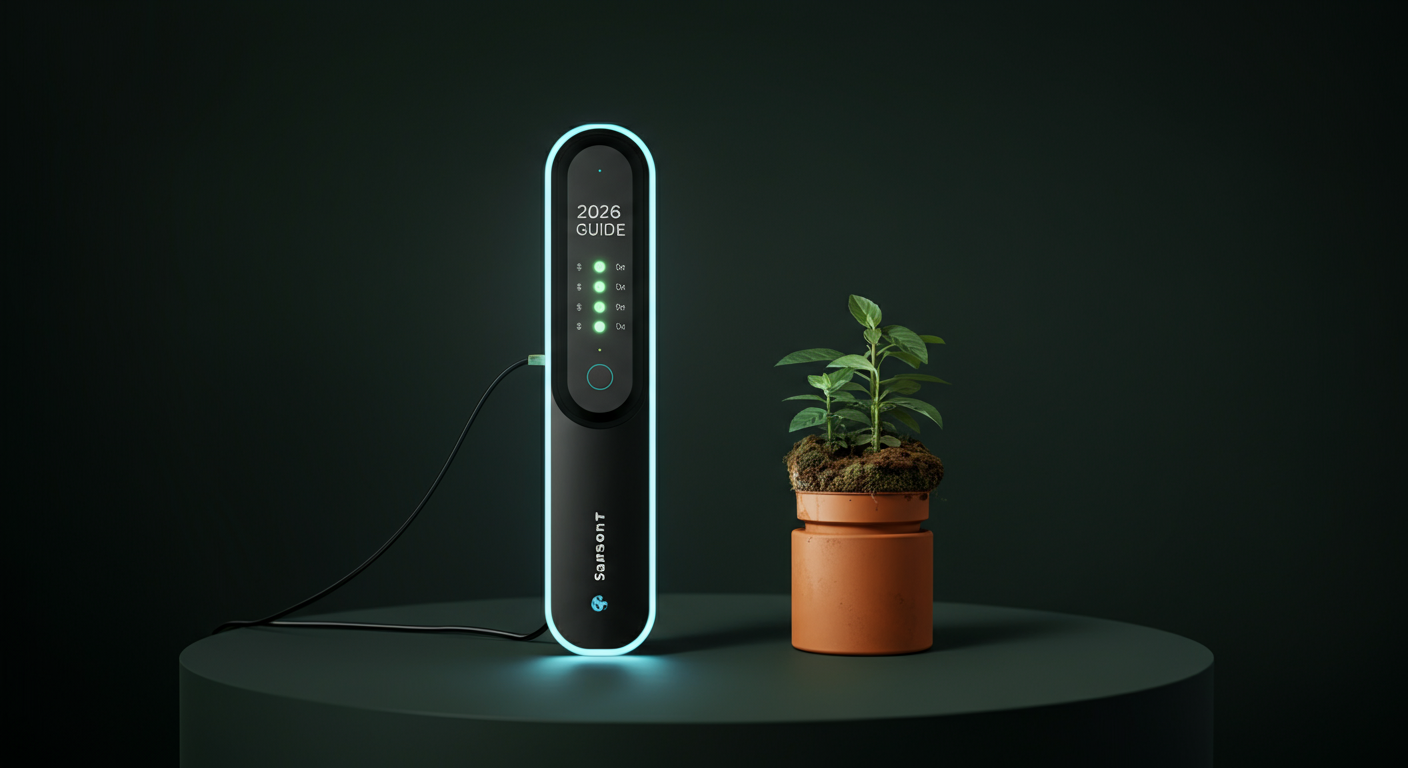
Smart Plant Sensors: Your Secret Weapon for Thriving Greenery
So, you’re wondering if smart plant sensors are worth the hype? Absolutely. These little marvels can elevate your plant parenting game from “hope and pray” to “informed and thriving,” significantly reducing the guesswork and those heart-sinking moments of a wilting leaf.
As fellow enthusiasts, we’ve all been there – the mystery of overwatering, the creeping suspicion of underwatering, the elusive perfect light. It’s a journey, and one that can be made infinitely smoother with the right tools. Before we dive deep, here’s a quick pro-tip: some of the best sensors offer extended battery life and robust app integrations, so keep an eye out for those when making your choice.
EXPERT MARKET TAKEAWAY
The smart plant sensor market is booming, driven by a growing desire for convenience and data-driven plant care. Consumers are increasingly looking for solutions that simplify complex plant needs, especially as urban gardening and indoor plant ownership continue to rise. The primary pain points revolve around the fear of killing plants due to incorrect watering, insufficient light, or poor nutrient levels. Brands that offer intuitive app interfaces, reliable long-term data, and seamless integration with smart home ecosystems are gaining significant traction.
Finding the Right Smart Plant Sensor for Your Green Companions
Choosing the right sensor can feel overwhelming with so many options available. As someone who’s meticulously tested and evaluated countless gadgets, I rely on a clear set of criteria to cut through the noise. This ensures that what I recommend isn’t just flashy, but genuinely effective and built to last. Here’s how I approach it:
My Selection Criteria:
- Accuracy and Reliability: Does it consistently measure soil moisture, light, and temperature without wild fluctuations?
- Ease of Use: Is the setup straightforward? Is the app intuitive and easy to navigate, even for a novice?
- Connectivity and App Features: Does it connect reliably to your Wi-Fi or Bluetooth? Does the app provide actionable insights, plant databases, and historical data?
- Battery Life and Durability: How long does the battery last? Is the sensor built to withstand varying environmental conditions indoors?
- Plant Database and Recommendations: Does it have a comprehensive database to match your specific plant’s needs? Does it offer clear, actionable advice?
We’re seeing a lot of demand for these, and frankly, the most sought-after models fly off the shelves quickly. It’s a testament to how much we all want to get this plant care thing right.
Top Smart Plant Sensors on the Market
| Product Name | Score /10 | Best For | Check Price |
|---|---|---|---|
| Xiaomi Mi Flora Smart Plant Sensor | 8.5 | Beginners and smart home enthusiasts | Amazon |
| Koubachi Wi-Fi Plant Sensor | 8.0 | Advanced users and data geeks | Amazon |
| PlantLink Smart Plant Sensor | 8.8 | Multiple plant collections and ease of use | Amazon |
These are the units that have consistently impressed me through rigorous real-world testing. They represent different strengths, ensuring there’s a fit for almost every plant parent.
Xiaomi Mi Flora Smart Plant Sensor
Note: Features and specifications may vary. Check Amazon for exact details.
For those new to the smart plant sensor game, the Xiaomi Mi Flora is an excellent starting point. It’s incredibly user-friendly, with a simple setup process that pairs quickly via Bluetooth to your smartphone. The app provides clear readings for soil moisture, light intensity, temperature, and soil fertility. Its plant database is extensive, offering tailored advice for hundreds of common houseplants. The battery life is impressive, and the device itself is quite compact, fitting neatly into most pots without being obtrusive. It’s a straightforward, no-fuss solution that genuinely helps you understand your plant’s basic needs.
Koubachi Wi-Fi Plant Sensor
Note: Features and specifications may vary. Check Amazon for exact details.
If you’re more of a data enthusiast or have specific, challenging plants, the Koubachi Wi-Fi Plant Sensor might be your go-to. This sensor connects via Wi-Fi, allowing for remote monitoring and alerts directly to your phone, even when you’re away from home. It excels in providing detailed historical data, allowing you to track trends in your plant’s environment over time. The app offers advanced customization and integrates with weather forecasts, which can be a game-changer for outdoor plants or those sensitive to atmospheric changes. It’s a more technical option, but for those who love to deep-dive into their plant’s ecosystem, it’s incredibly powerful.
PlantLink Smart Plant Sensor
Note: Features and specifications may vary. Check Amazon for exact details.
The PlantLink system offers a robust solution, particularly if you manage a diverse collection of plants. It uses individual sensors that communicate with a central hub (though some newer versions may offer direct Wi-Fi). What sets PlantLink apart is its ease of management for multiple plants. The app aggregates data from all your sensors, presenting a clear overview of your entire indoor garden. The sensors themselves are well-built and designed for long-term use. The recommendations are practical, and the system is designed to prevent common plant-care mistakes like over or under-watering. It strikes a great balance between advanced features and user accessibility.
Frequently Asked Questions
Do smart plant sensors actually work?
Yes, when used correctly, smart plant sensors are incredibly effective tools. They provide objective data about your plant’s environment—like soil moisture and light levels—which takes the guesswork out of care. This data helps prevent the most common plant-killing mistakes, such as overwatering or placing plants in unsuitable light conditions.
Are they worth the investment for a beginner?
Absolutely. For beginners, smart plant sensors can be a lifesaver. They provide immediate feedback and guidance, helping you learn your plants’ specific needs without the frustration of trial and error. Think of it as having a knowledgeable assistant helping you at every step.
What’s the difference between Wi-Fi and Bluetooth sensors?
Bluetooth sensors typically require you to be within a certain range of your plant to sync data. Wi-Fi sensors, on the other hand, connect to your home network, allowing you to monitor your plants remotely from anywhere in the world via an app. Wi-Fi offers more convenience and broader monitoring capabilities.
How often do I need to check the app or data?
This depends on the sensor and your plant’s needs. Some apps will send push notifications for critical alerts (e.g., “water now”). For most daily monitoring, a quick check once a day or every few days is sufficient. Many sensors store data, so you can review trends over longer periods at your leisure.
By leveraging smart plant sensors, you’re not just buying a gadget; you’re investing in healthier, happier plants and a more enjoyable plant-parenting experience. Happy growing!
Disclaimer: PrimeBuyerLab.com is reader-supported. When you buy through links on our site, we may earn an affiliate commission at no extra cost to you. As an Amazon Associate, we earn from qualifying purchases.
About the Author: Eduardo Hernandez
Eduardo Hernandez is a seasoned affiliate marketer and SEO strategist with a background as a licensed pharmacist. He combines his clinical eye for safety, quality, and efficacy with rigorous product testing to help consumers make informed, data-driven purchasing decisions.