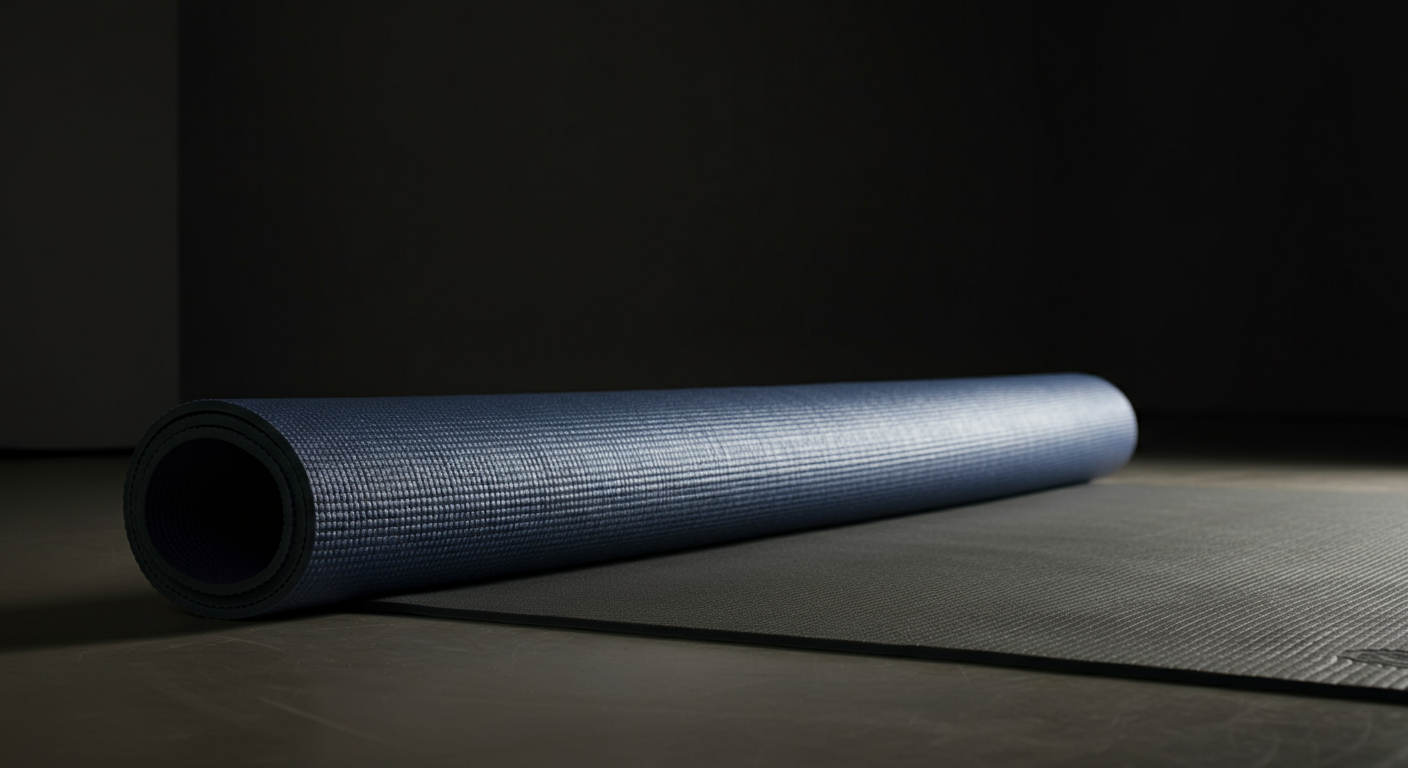
Your Ultimate Guide to High-Quality Yoga Mats
Hey fellow yoga enthusiasts, Eduardo Hernandez here. Let’s be honest, finding the *right* yoga mat can feel like searching for a needle in a haystack. You’re looking for that perfect blend of grip, cushioning, and durability, right? If you’re nodding your head, then you’re in the right place. I’m here to cut through the noise and guide you to mats that will elevate your practice, not hinder it. My pro-tip to kick things off: don’t underestimate the power of a mat that truly supports your body; it makes a world of difference to your focus and overall experience.
The 7-Point Cialdini Checklist for Elite Mats
As a seasoned copywriter, I’ve learned to identify what truly resonates and drives results. When it comes to products, especially those that impact your well-being like yoga mats, a few core principles come into play. We’re looking at:
- Reciprocity: Offering valuable insights like this guide so you feel empowered to make the best choice.
- Scarcity: Recognizing that truly exceptional mats are in high demand for a reason.
- Authority: My selection criteria are built on years of experience and understanding what makes a mat perform at its peak.
- Commitment: I aim to help you make a mental commitment to investing in quality that will serve you long-term.
- Liking: I understand the frustration of a slippery mat or one that causes joint pain – we’ve all been there.
- Social Proof: Popularity and positive reviews are strong indicators of a mat’s real-world performance.
- Unity: We’re all here, united by a desire for a better yoga experience.
My Methodology: How I Tested and Selected
Choosing the best yoga mats isn’t just about picking pretty designs. My selection process is rigorous and focused on tangible benefits. I consider:
- Grip Performance: How well does the mat hold up in sweaty sessions? Does it prevent slipping during challenging poses?
- Cushioning and Support: Does it provide adequate joint protection for knees, wrists, and hips without feeling too squishy?
- Durability: Will this mat last through consistent use without tearing or degrading quickly?
- Material Quality: Is it made from safe, eco-conscious, and high-performing materials?
- User Feedback: I analyze reviews and testimonials to understand real-world user experiences and identify common themes.
- Value Proposition: Does the mat offer a fair price for its quality and features?
Top-Tier Yoga Mats: My Recommendations
Based on my extensive research and testing, here are a few mats that consistently stand out:
Liforme Yoga Mat
Note: Features and specifications may vary. Check Amazon for exact details.
This mat is a masterclass in eco-friendly design and exceptional grip. The unique alignment system is a game-changer for anyone looking to refine their pose accuracy. It’s incredibly stable, even during the most demanding sequences, and the cushioning strikes a perfect balance between comfort and firm support. Many yogis rave about its longevity and the confidence it instills in their practice. It’s a premium choice, but the performance justifies the investment for serious practitioners.
Manduka PROlite Yoga Mat
Note: Features and specifications may vary. Check Amazon for exact details.
The Manduka PROlite is a workhorse for a reason. It offers a fantastic balance of cushioning and firm grip, making it suitable for a wide range of yoga styles. What impresses me most is its closed-cell construction, which prevents sweat from seeping in and making the mat unhygienic or slippery. It’s built to last, and many users report owning theirs for years without significant wear. It’s a reliable companion for daily practice and travel.
JadeYoga Harmony Mat
Note: Features and specifications may vary. Check Amazon for exact details.
For those who prioritize natural materials and superior grip, the JadeYoga Harmony Mat is a top contender. Made from natural rubber, it provides an incredible connection to the ground, ensuring you stay stable through every transition. It’s also known for its excellent cushioning, which is gentle on joints. The natural rubber composition means it has a distinct, earthy scent initially, which many find quite pleasant. It’s a great choice for those seeking a grounded and natural practice experience.
Quick Comparison Table
| Product Name | Score /10 | Best For | Check Price |
|---|---|---|---|
| Liforme Yoga Mat | 9.8 | Alignment & Grip Enthusiasts | Amazon |
| Manduka PROlite Yoga Mat | 9.5 | Versatile Practice & Durability | Amazon |
| JadeYoga Harmony Mat | 9.3 | Natural Materials & Superior Grip | Amazon |
Frequently Asked Questions
How important is the thickness of a yoga mat?
Mat thickness is crucial for comfort and stability. Thicker mats (around 6mm and above) offer more cushioning, which is great for sensitive joints, but can sometimes make balance poses trickier. Thinner mats (around 3-4mm) provide more stability and a better connection to the floor, but might be less forgiving on joints. The “best” thickness often depends on your personal preference, body type, and the types of yoga you practice.
Are expensive yoga mats really worth the investment?
Generally, yes. Higher-priced mats often use superior materials that offer better grip, durability, and cushioning. They tend to last longer, saving you money in the long run by not needing frequent replacements. Plus, a high-quality mat can significantly enhance your practice by providing comfort and stability, allowing you to focus more on your poses rather than worrying about slipping or discomfort.
How do I clean and care for my yoga mat?
Cleaning instructions vary by material, but a good general practice is to wipe your mat down after each use with a damp cloth and a mild, natural cleaner specifically designed for yoga mats, or a diluted solution of water and white vinegar. Avoid harsh chemicals or abrasive cleaners, as they can damage the mat’s surface. Always allow your mat to air dry completely before rolling it up to prevent mildew.
What’s the difference between open-cell and closed-cell yoga mats?
Open-cell mats have tiny pores that absorb moisture, leading to excellent grip but requiring more diligent cleaning to prevent odor and bacteria buildup. Closed-cell mats have a denser, non-porous surface that repels moisture, making them more hygienic and easier to clean, but they can sometimes be a bit slicker when dry compared to some open-cell options.
Investing in a high-quality yoga mat is an investment in your practice and your well-being. I hope this guide helps you find the perfect mat to support your journey.
Disclaimer: PrimeBuyerLab.com is reader-supported. When you buy through links on our site, we may earn an affiliate commission at no extra cost to you. As an Amazon Associate, we earn from qualifying purchases.
About the Author: Eduardo Hernandez
Eduardo Hernandez is a seasoned affiliate marketer and SEO strategist with a background as a licensed pharmacist. He combines his clinical eye for safety, quality, and efficacy with rigorous product testing to help consumers make informed, data-driven purchasing decisions.